 the symbol ofStrengthFind my product →
Practical reads from our technical team — product know-how, site lessons and the odd myth we enjoy busting.
The same 1 kg epoxy kit grouts about 100 sq.ft of 600 × 600 mm tiles or under 20 sq.ft of mosaic. The coverage chart by tile size and joint width, the formula behind it, and how many kits to buy.
Read article →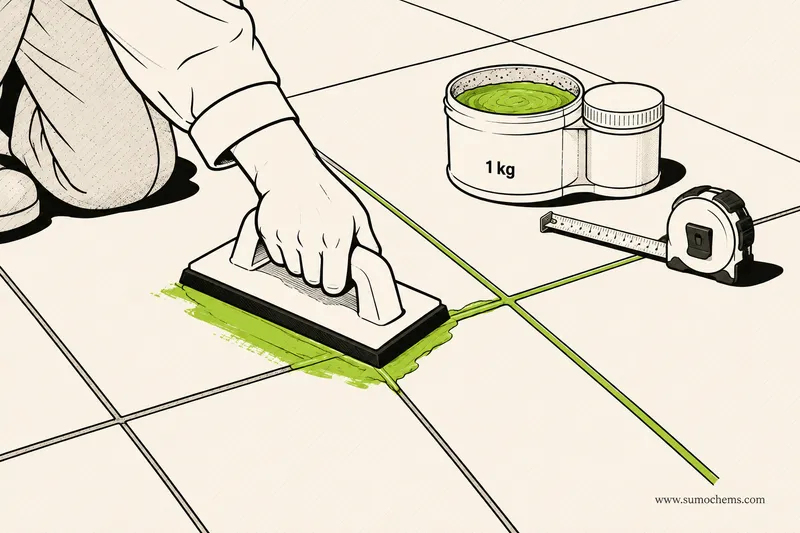
 GUIDE
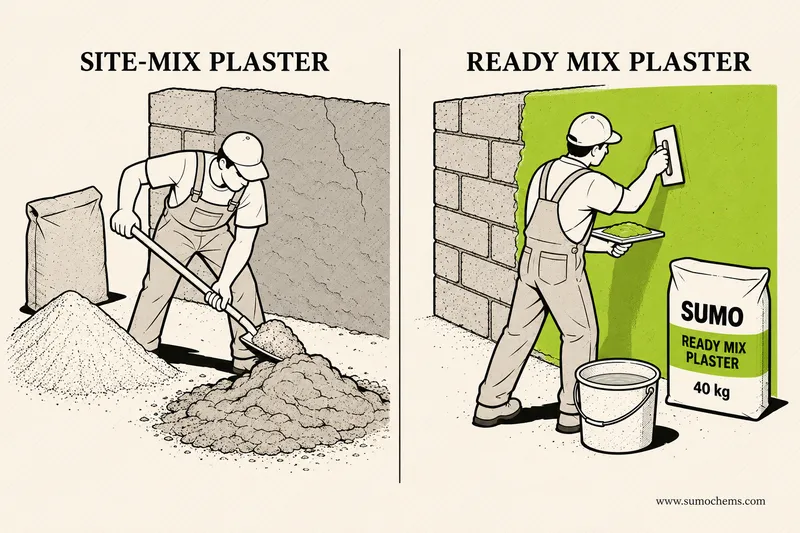
GUIDECompare the bag and site mix looks cheaper. Compare the finished wall — sand quality, wastage, labour, cracks and putty — and the answer changes. Ready mix plaster vs sand-cement plaster, done properly.
 GUIDE
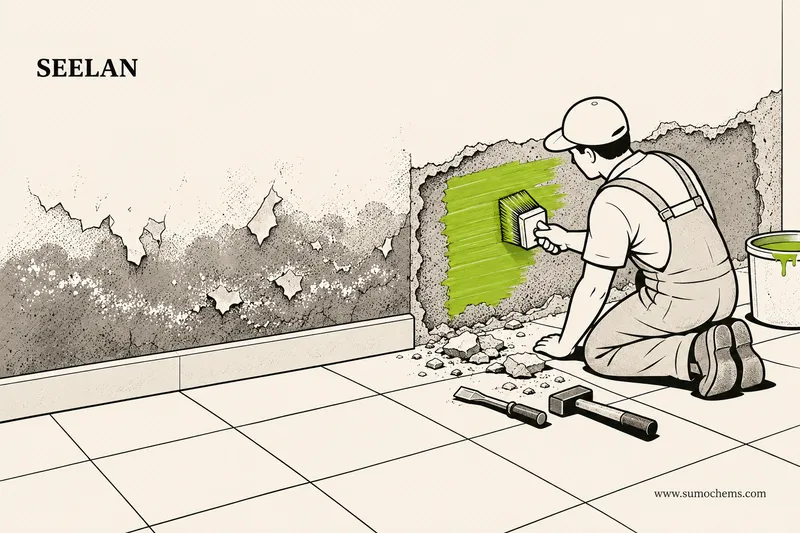
GUIDESeelan (सीलन) in English is dampness — water travelling through the wall and drying out as stains, salt and peeling paint. How to find where it is coming from, and the repair order that stops it returning every monsoon.
 GUIDE
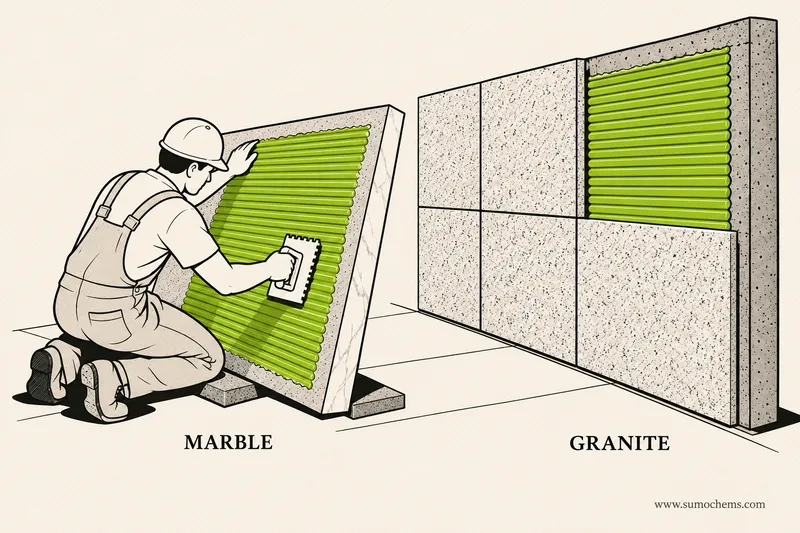
GUIDEGranite, marble, Kota and sandstone each fail in their own way when the wrong bed goes behind them. Which C2 adhesive grade to use for each stone and location, how to get full contact, and where adhesive alone is not enough.
 GUIDE
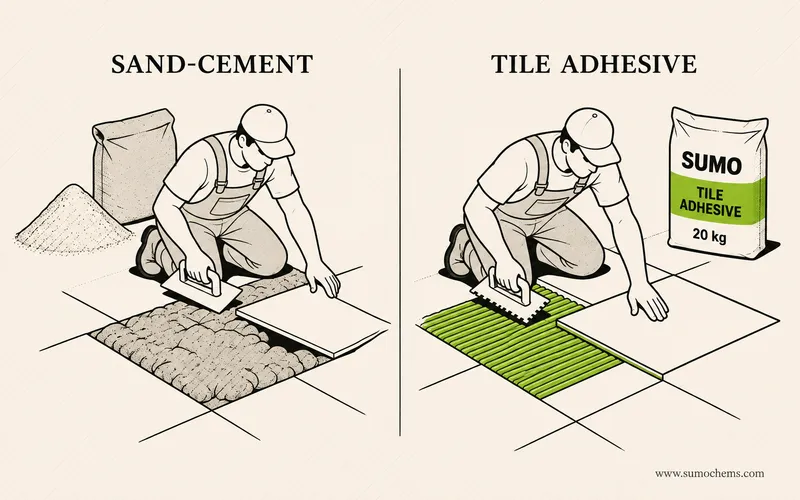
GUIDECement mortar holds tiles by soaking into them — and modern vitrified tiles do not soak. How the two methods bond, what each really costs per sq.ft once you count the whole bed, and the jobs where one is simply wrong.
 GUIDE
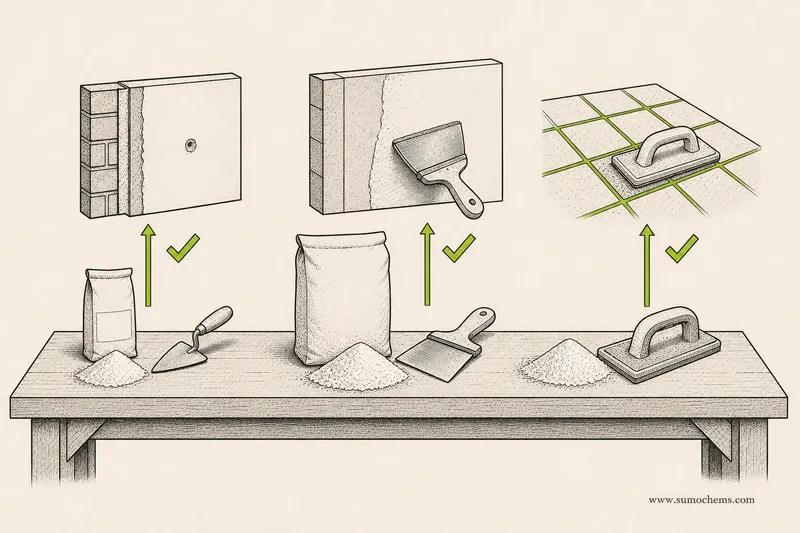
GUIDEWhite cement gets bought for everything and is right for only some of it. What it is actually for, when wall putty is the better buy, and why tile joints deserve a real grout.
 GUIDE
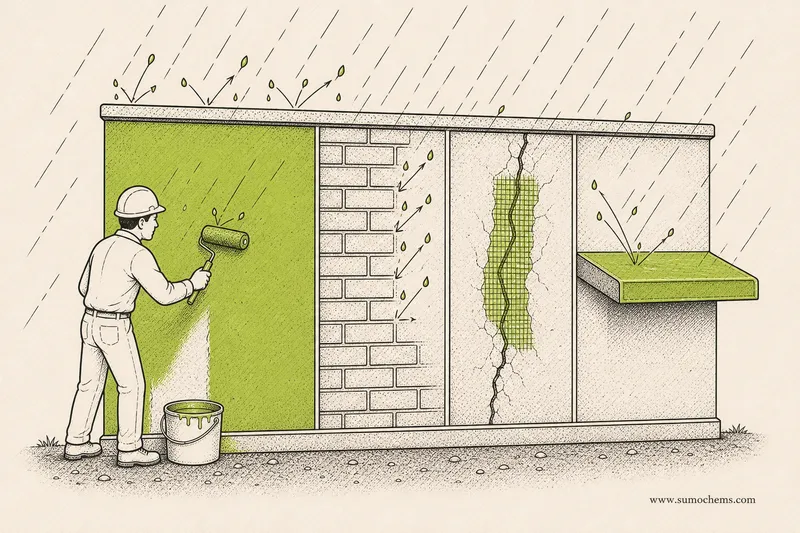
GUIDEExterior emulsion is paint, not protection. The four types of waterproof coating for exterior walls — pigmented, transparent, repair-grade and flexible — and how to pick in five minutes.
 GUIDE
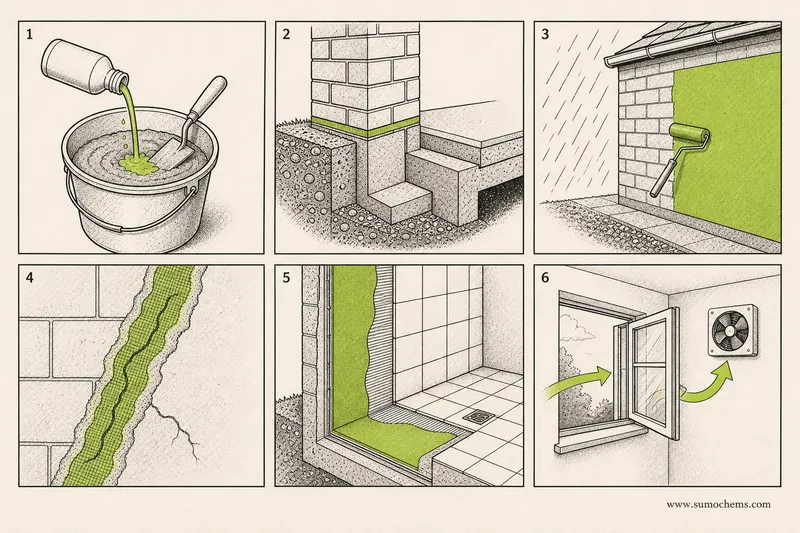
GUIDEThere are only six ways to damp proof a wall, each matched to one way water gets in. Which method your wall needs — and the mistake of picking by product instead of by problem.
 GUIDE
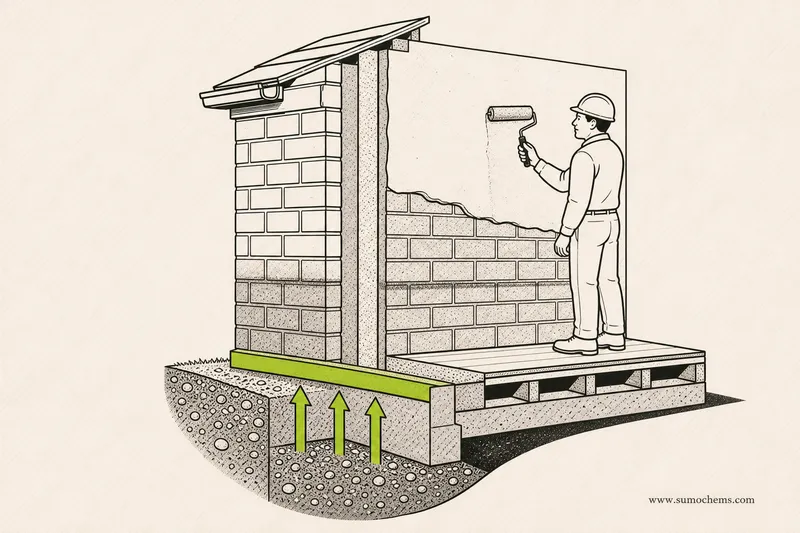
GUIDERising damp is the most treated and least cured wall problem in India. The three-step cure that actually breaks the cycle — and the four popular fixes that only hide it.
 GUIDE
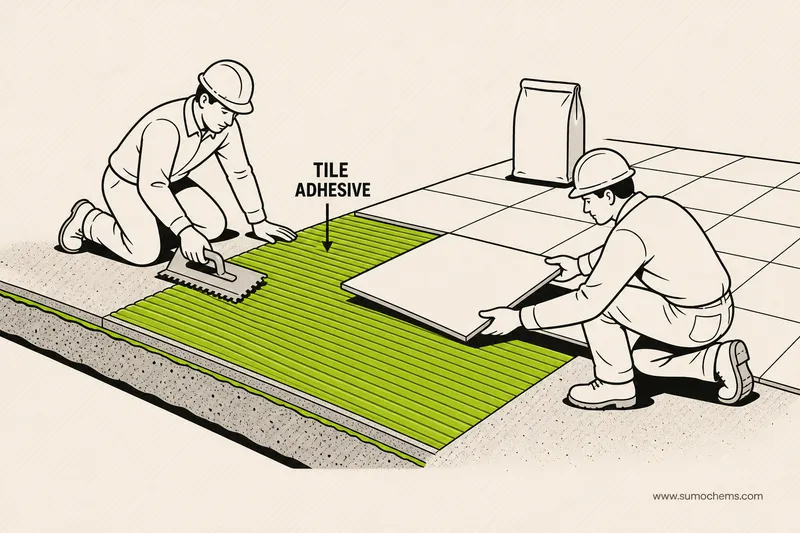
GUIDEEverything about tile adhesive in one place — what it is, why it replaced cement mortar, the history, which grade each tile and substrate needs, and how IS 15477:2019 and EN 12004 certification actually work.
 HOW-TO
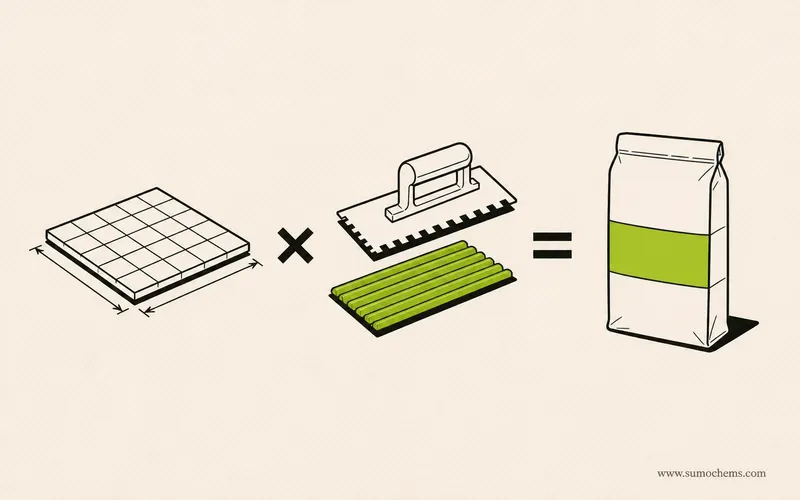
Area × consumption × bed factor — the same three steps the calculator runs, worked by hand so you can estimate any room from the site notebook.
 GUIDE
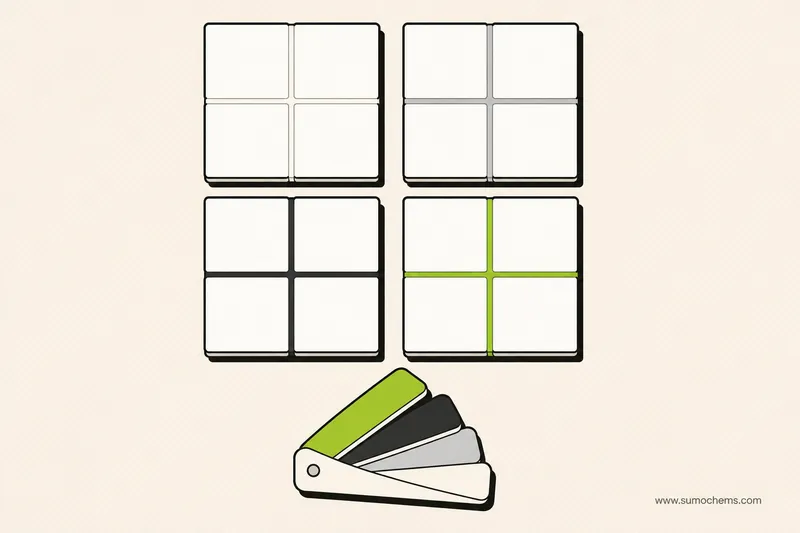
GUIDEMatching flatters the tile, contrast flatters the layout. The rules designers actually use, room by room — and why epoxy keeps the colour you chose.
 GUIDE
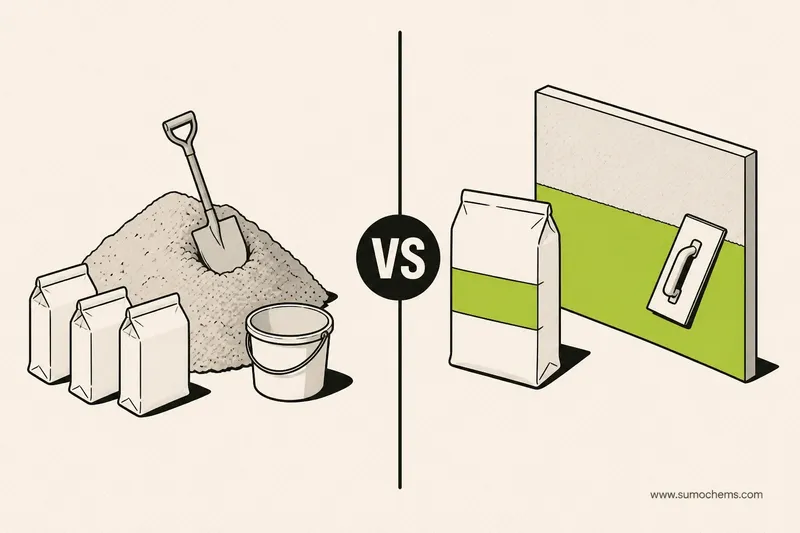
GUIDEOne 40 kg bag of ready-mix plaster covers 15–20 sq.ft at 10–12 mm. The consumption maths by thickness, and the honest comparison with site-mixed cement-sand.
 GUIDE
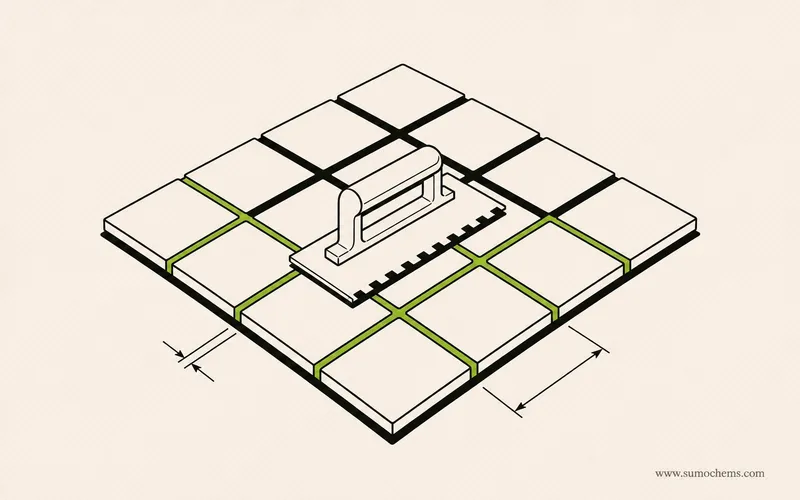
GUIDEGrout quantity is pure geometry: tile size, joint width, joint depth, density. The formula, real kg-per-m² numbers for Indian tile sizes, and kit-sizing advice.
 GUIDE
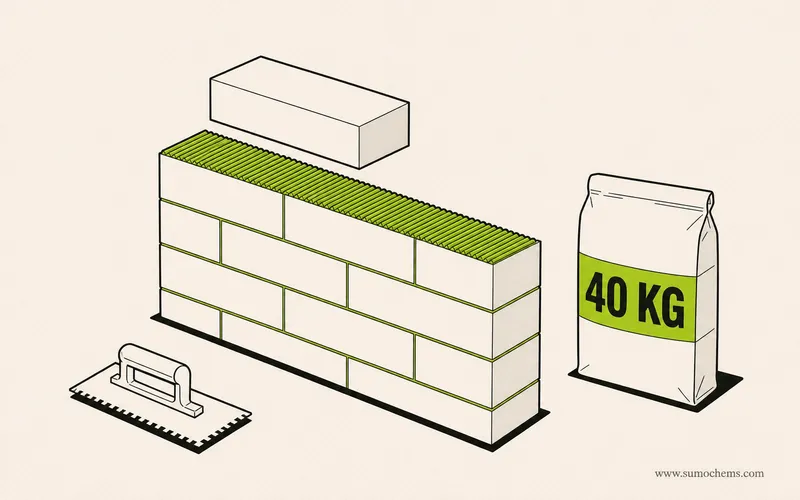
GUIDEOne 40 kg bag of Block Jointing Mortar lays about 85–90 standard AAC blocks at a 3 mm joint. The consumption maths per block size, the formula, and a worked wall.
 GUIDE
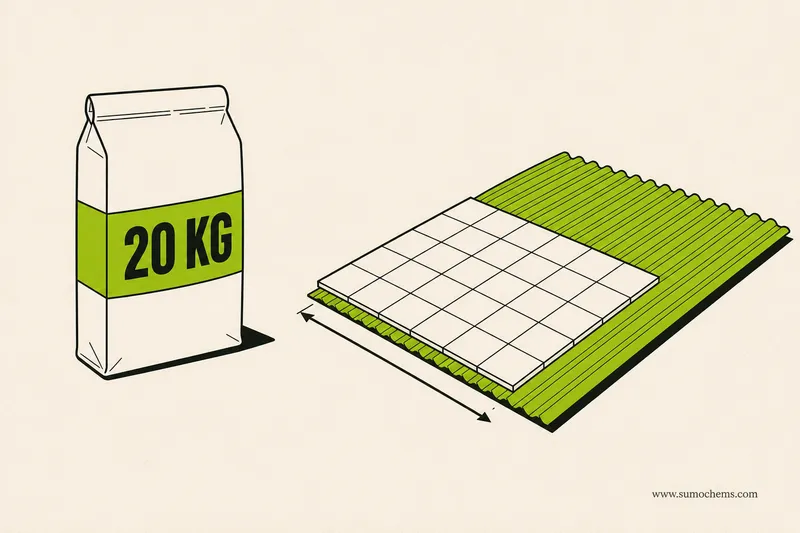
GUIDEA 20 kg bag covers anywhere from 16 to 50 sq.ft — and the difference is almost entirely bed thickness. The real datasheet numbers, the formula, and a worked example.
 GUIDE
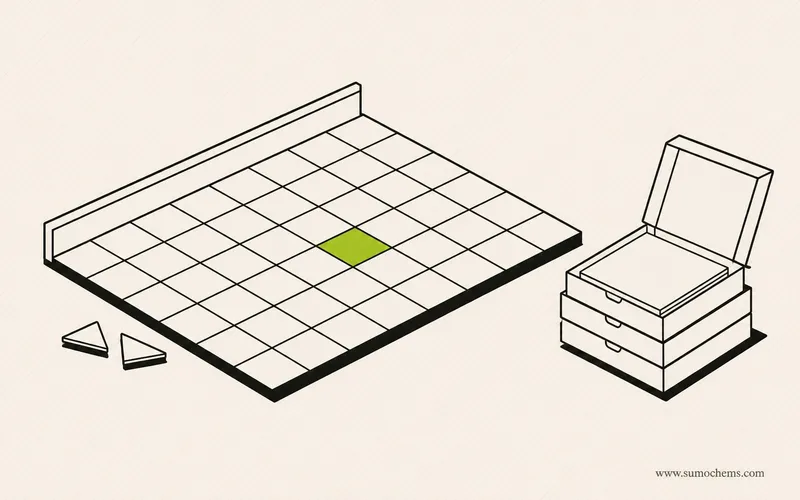
GUIDETiles per m² for every common Indian size, what each layout pattern really wastes, and the batch rule that saves floors from mismatched shade.
 INSIGHT
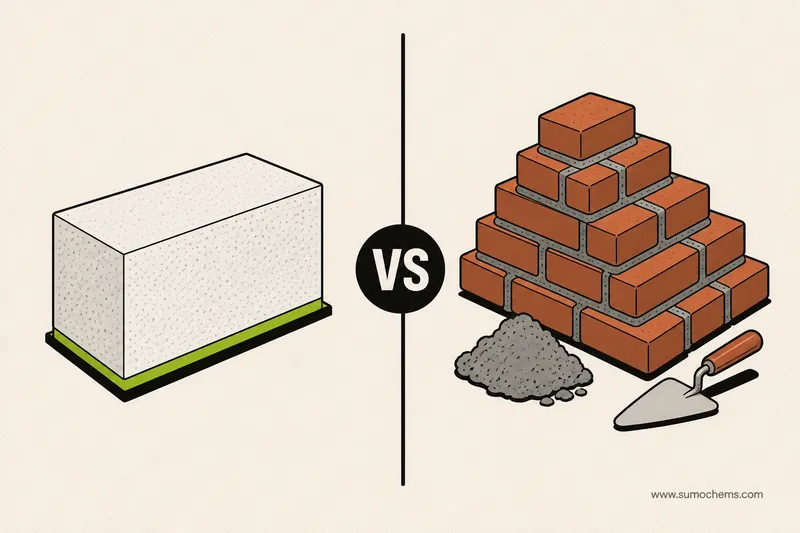
Eight blocks or fifty bricks per square metre — the units, mortar, weight and plaster compared with numbers, plus where bricks still make sense.
 INSIGHT
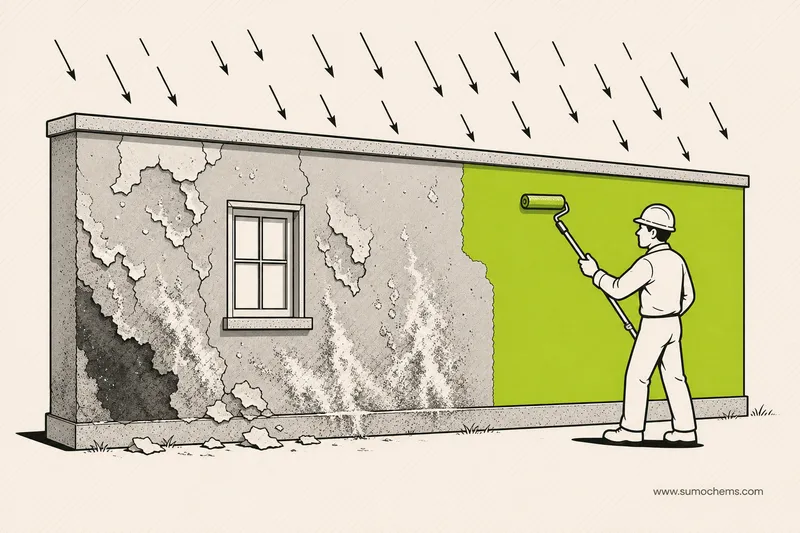
Bubbling paint, white salt patches and damp are one problem — water in the wall — and paint cannot argue with water. Stop the ingress, then finish the surface.
 INSIGHT
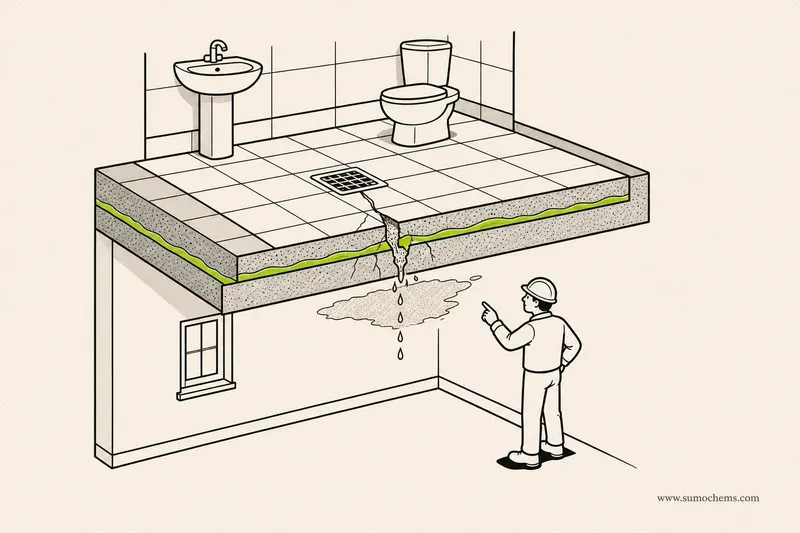
Tiles are not the waterproof layer — the membrane under them is. Why the bathroom leaks into the room below, and the layer everyone skipped.
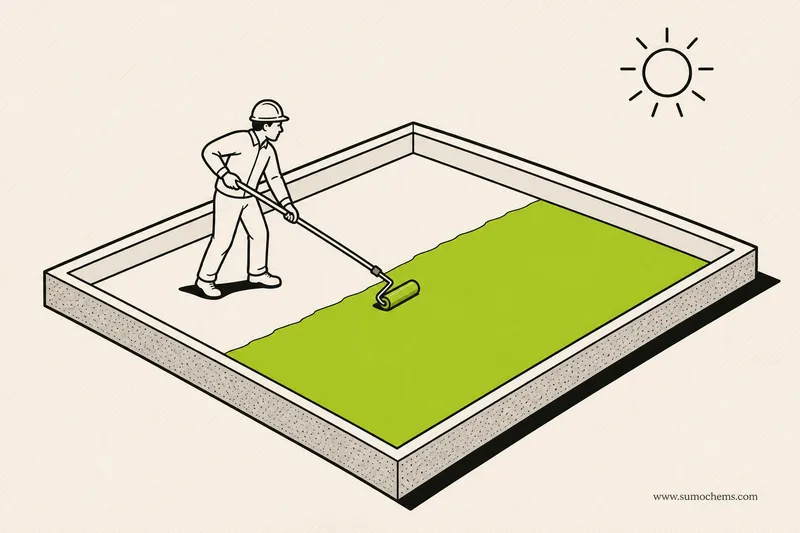 HOW-TO
Everyone waterproofs a terrace for the rain — then it fails from the heat. Choose the coat for an Indian summer and the monsoon takes care of itself.
 INSIGHT
The letters on a bag of tile adhesive are not marketing — they are a European performance standard. Here is what C1, C2, T, E, S1 and S2 actually tell you.
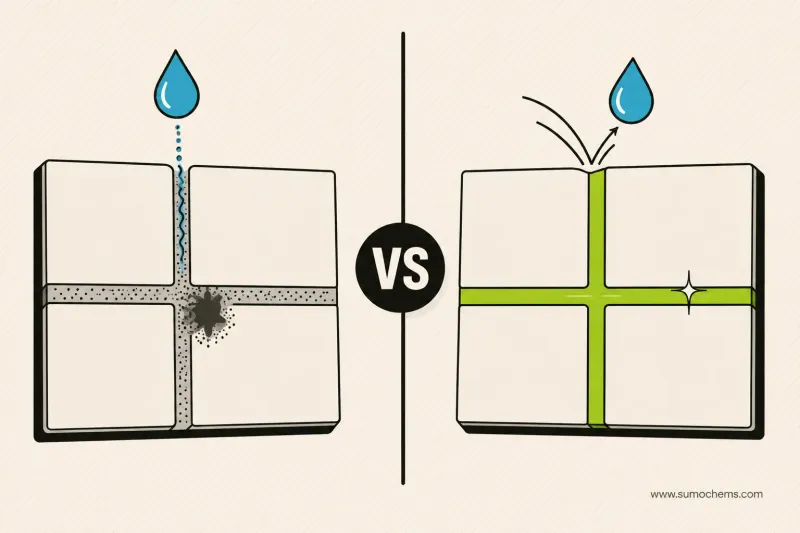 INSIGHT
Cement grout is cheaper and easier; epoxy grout is tougher and waterproof. Here is a clear-eyed comparison so you pick the right one for the room.
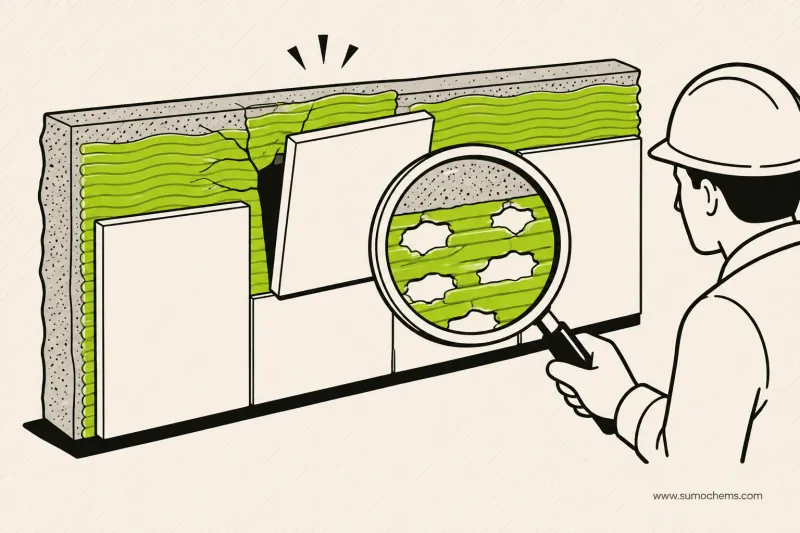 INSIGHT
A tile that lifts or sounds hollow rarely has a single cause. Here are the real reasons tiles debond — and the choices that stop it happening.
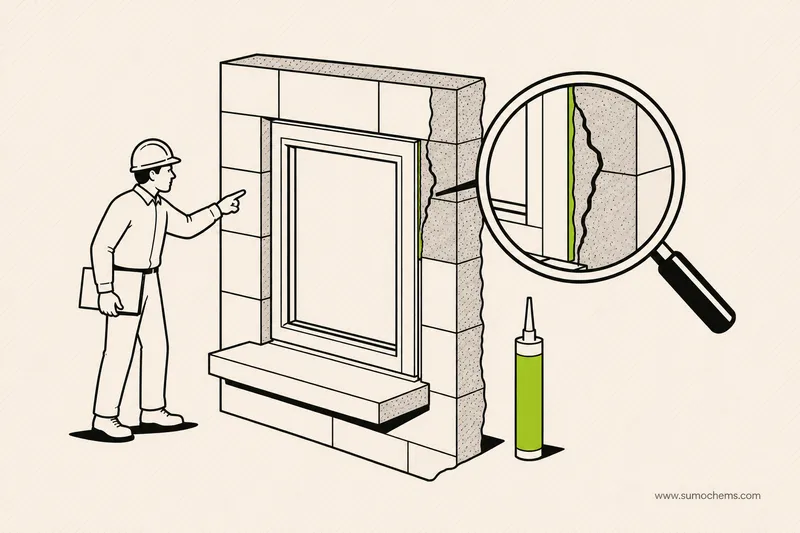 INSIGHT
That crack that always comes back around the frame is not a plaster problem — it is a moving joint filled with something rigid. The fix that actually lasts.
 INSIGHT
Not all waterproofing works the same way. Understanding the three types — surface coatings, liquid membranes and integral admixtures — helps you pick the right one.
 GUIDE
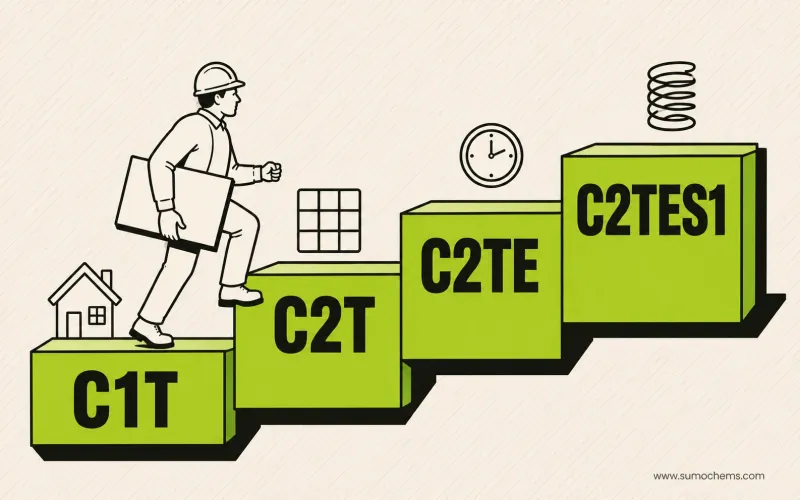
GUIDEC1T to C2TES1 — what the EN 12004 classes actually mean on site, and how to pick the SUMO S-series grade your tile and substrate need.
 INSIGHT
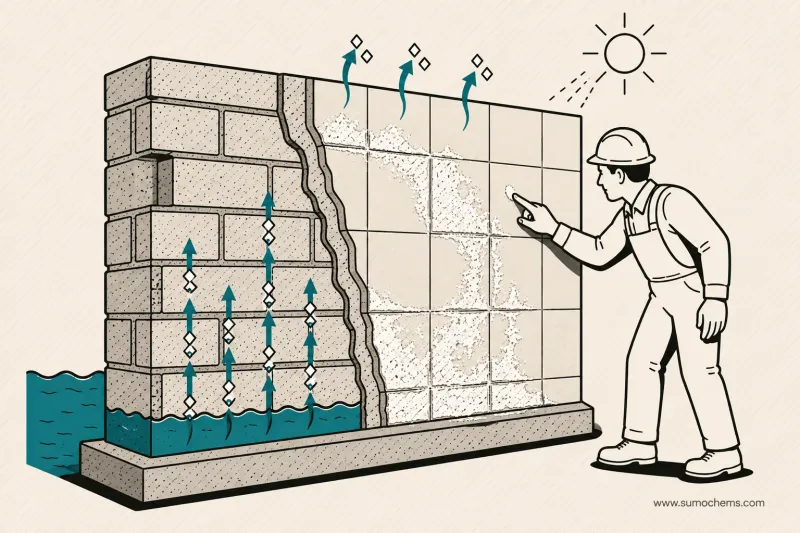
Those chalky white deposits on new tiling or masonry are efflorescence — salts carried out by water. Here is what causes it and how to keep it away.
 INSIGHT
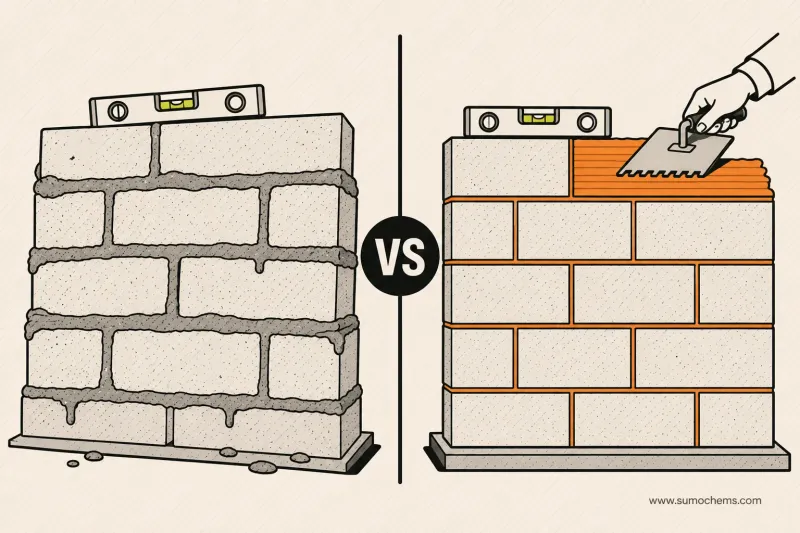
AAC blocks are precise, so why bury them in a thick, uneven mortar bed? Thin-bed block jointing mortar lays them faster, straighter and stronger.
 GUIDE
GUIDEThe right waterproofing depends on where the water is and how the surface behaves. This guide matches SUMO systems to bathrooms, terraces, tanks and walls.
 INSIGHT
It is more than a tagline. Here is what “Japanese technology, Indian make” means in practice for the way SUMO products are formulated, tested and made.
 INSIGHT
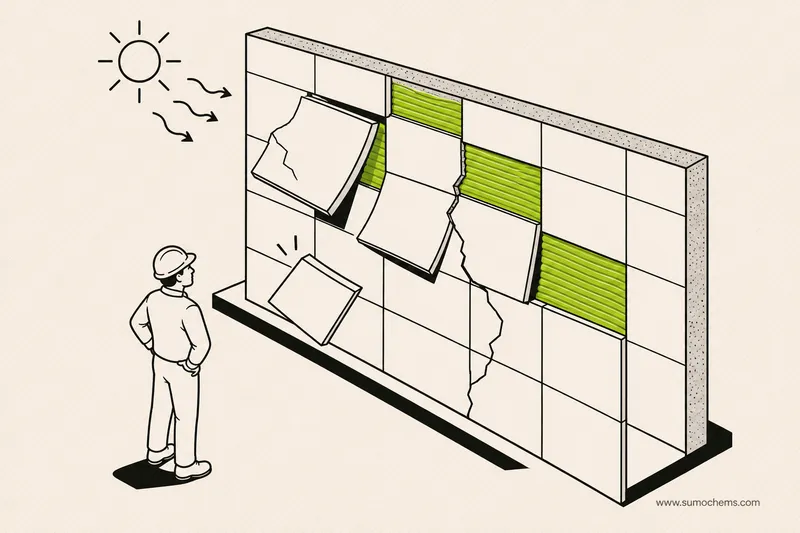
Tiles rarely fail on day one — they fatigue loose over two seasons of a moving building. The real cause, and the deformable adhesive that prevents it.
 GUIDE
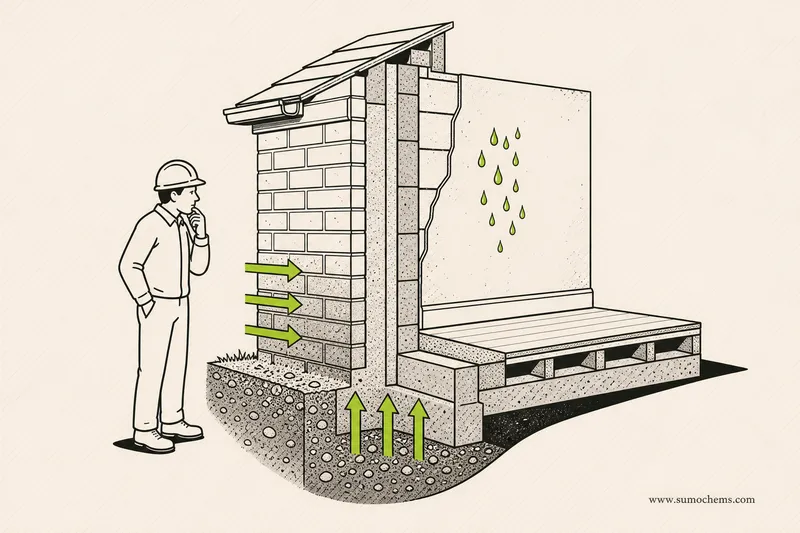
GUIDEThree damp problems look identical and need opposite fixes. The tide-line, the foil test, and how to treat the right cause instead of repainting forever.
 HOW-TO
Leaks almost never start in the middle of the floor. Why the corners fail first — and the fillet-and-tape detail that quietly stops most bathroom leaks.
 INSIGHT
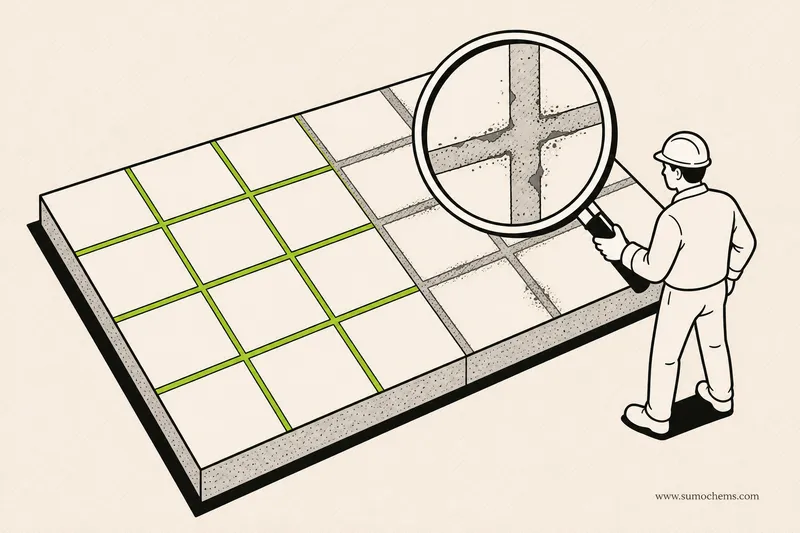
Real epoxy grout holds its colour for years. If yours faded, one of a few specific things went wrong — usually starting with whether it was epoxy at all.
 HOW-TO
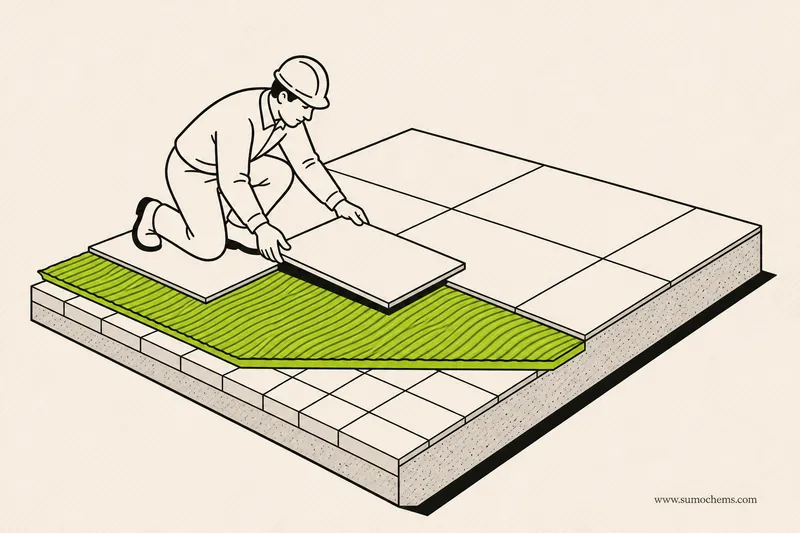
You can tile over old tiles — if you respect why the old surface is hard to bond to. The prep and the adhesive grade that make an overlay actually hold.
 HOW-TO
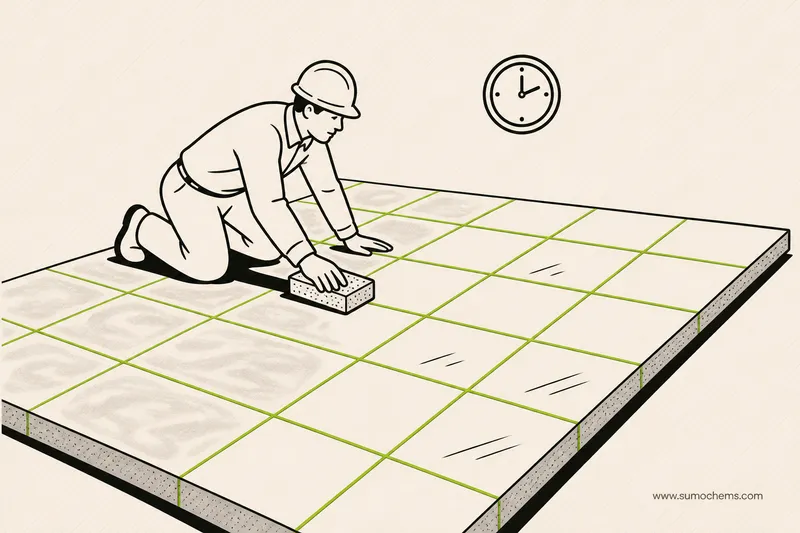
That cloudy film over fresh tiles is not a bad grout — it is a late clean-up. The 30-minute window that decides whether the floor looks clean or hazy.
 GUIDE
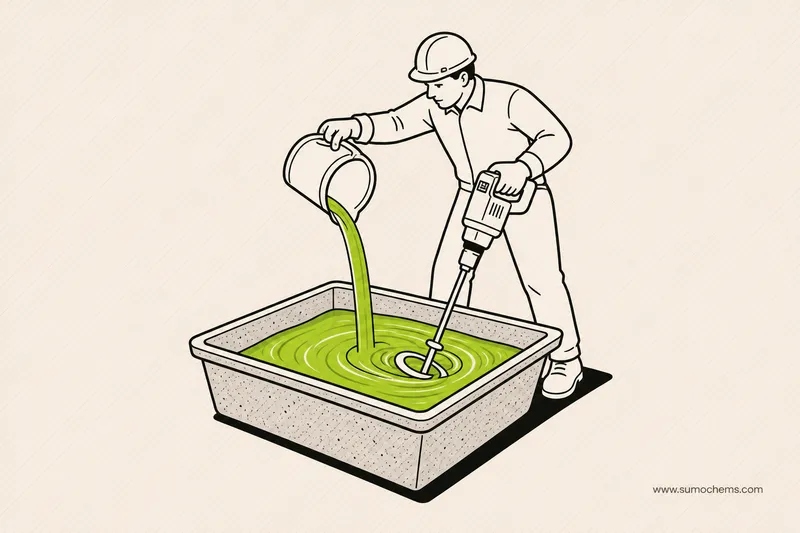
GUIDESBR is one of the most useful — and most wasted — cans on site. What it actually does to a mortar, and the jobs where you are just tipping money in.
 INSIGHT
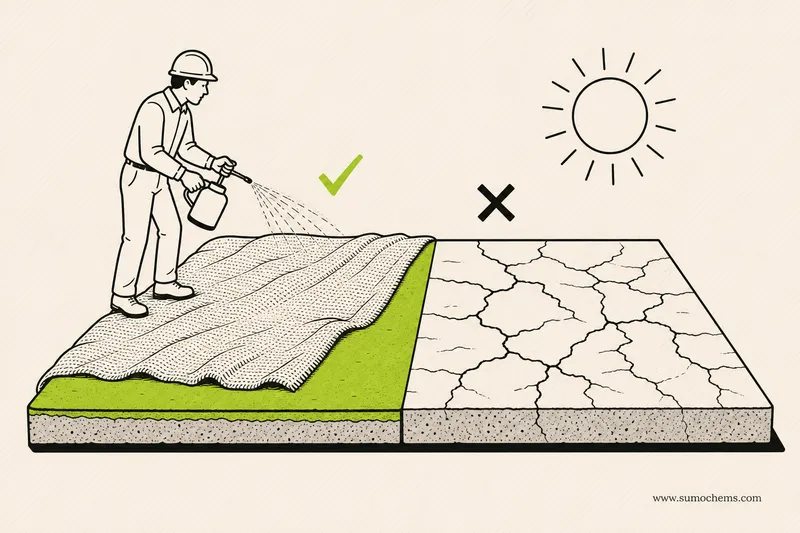
Hard is not the same as cured. The unglamorous week — keeping cement moist, not just dry — that decides whether a job that looks finished actually is.
 HOW-TO
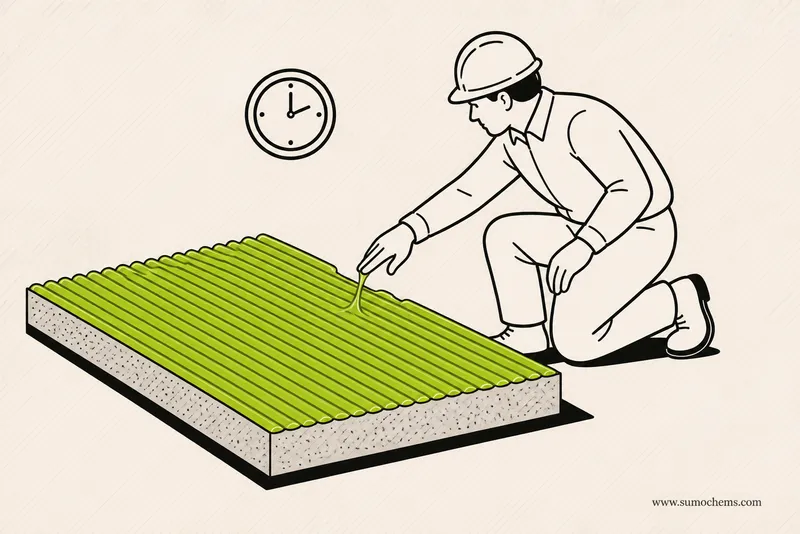
Hollow tiles are almost always a timing story, not a product one. The three-second check that tells you the adhesive bed is still open — before you set the tile.
 GUIDE
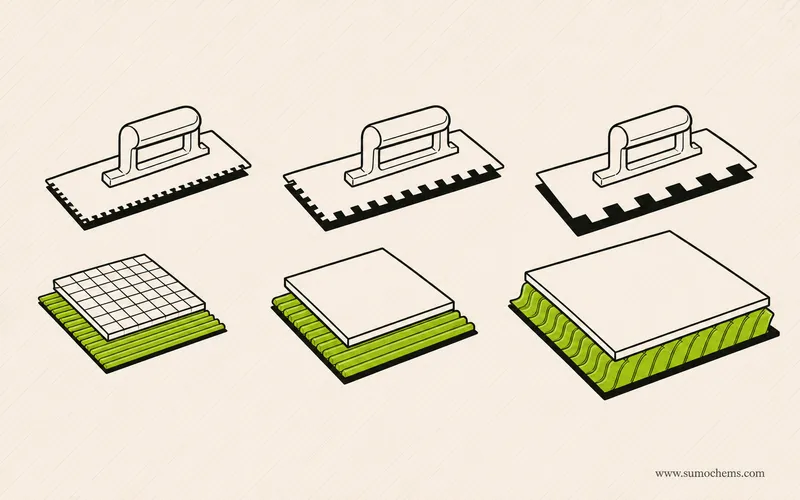
GUIDEThe trowel decides your coverage before the first tile goes down. Match the notch to the tile — and stop the worn-trowel tax quietly costing you bond.
 GUIDE
GUIDEC2TE, C1T, C2TES1 — that little code is the whole spec of the bag. Learn to read it and you will never overpay for grade, or under-spec a job, again.