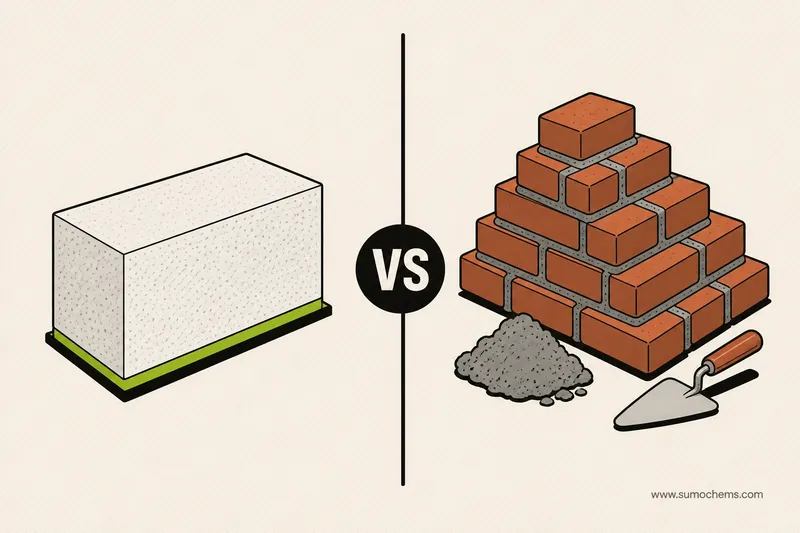
Epoxy grout vs cement grout: which should you choose?
Cement grout is cheaper and easier; epoxy grout is tougher and waterproof. Here is a clear-eyed comparison so you pick the right one for the room.
ON THIS PAGE
Grout is the last 5% of a tile job that everyone actually sees and touches. The choice comes down to two families — cement-based and epoxy — and they behave very differently over time. Here is how to choose.
Cement grout — the everyday joint
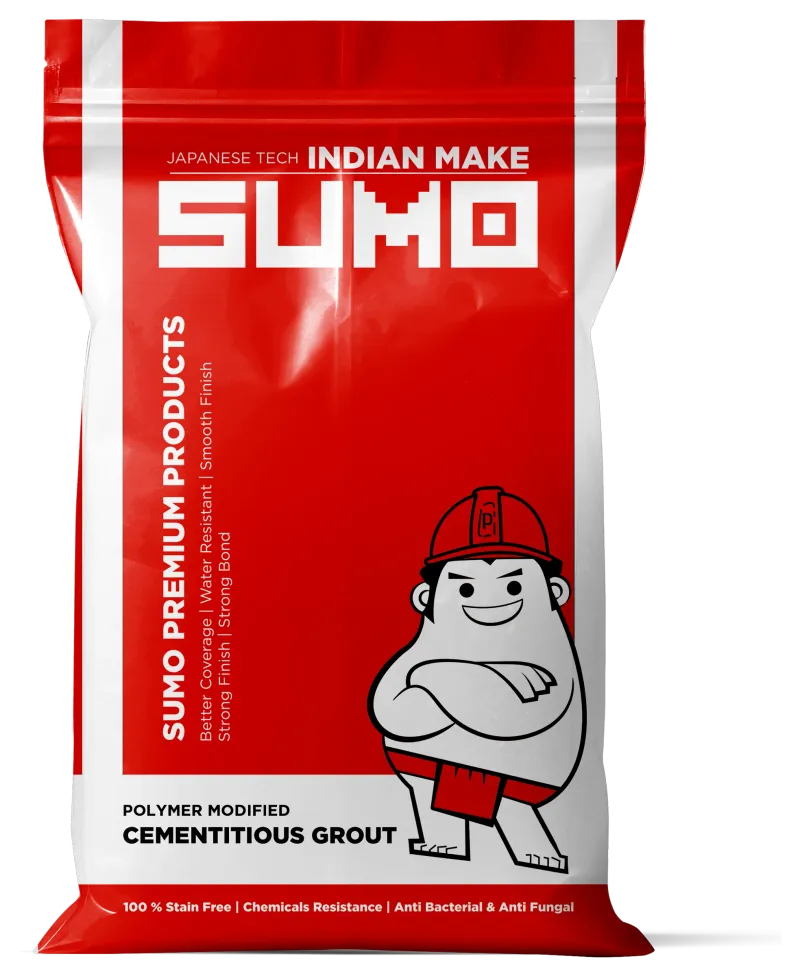
Polymer-modified cement grout like SUMO Sumotg (CG1) fills 1–6 mm joints and cures to a water-resistant, non-dusting, colour-consistent finish. It is easy to mix and apply, economical, and right for the vast majority of interior walls and floors. Its limits: it absorbs some water and can stain or discolour in heavy-use wet areas unless sealed or gauged with a polymer liquid.
Epoxy grout — stain-free and chemical-proof
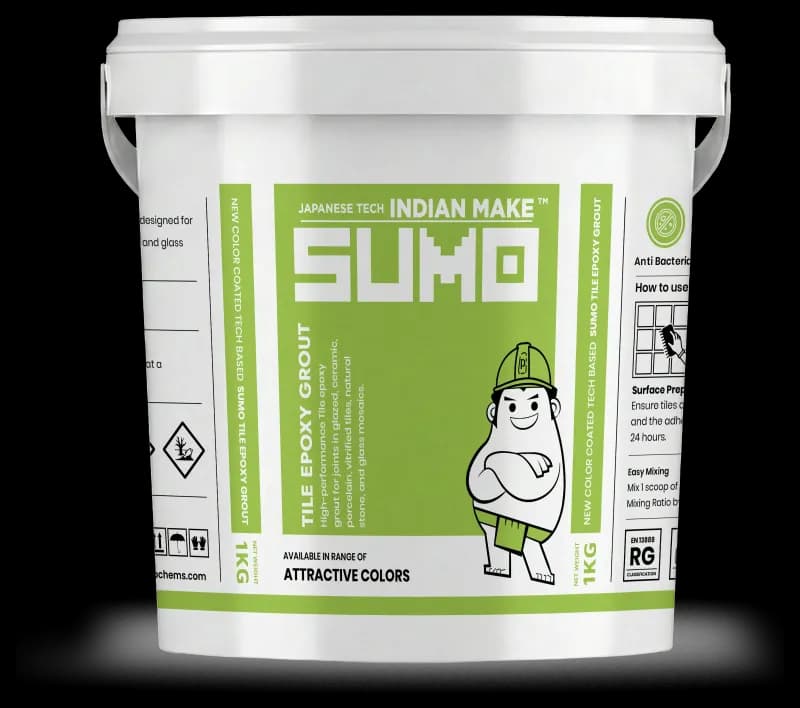
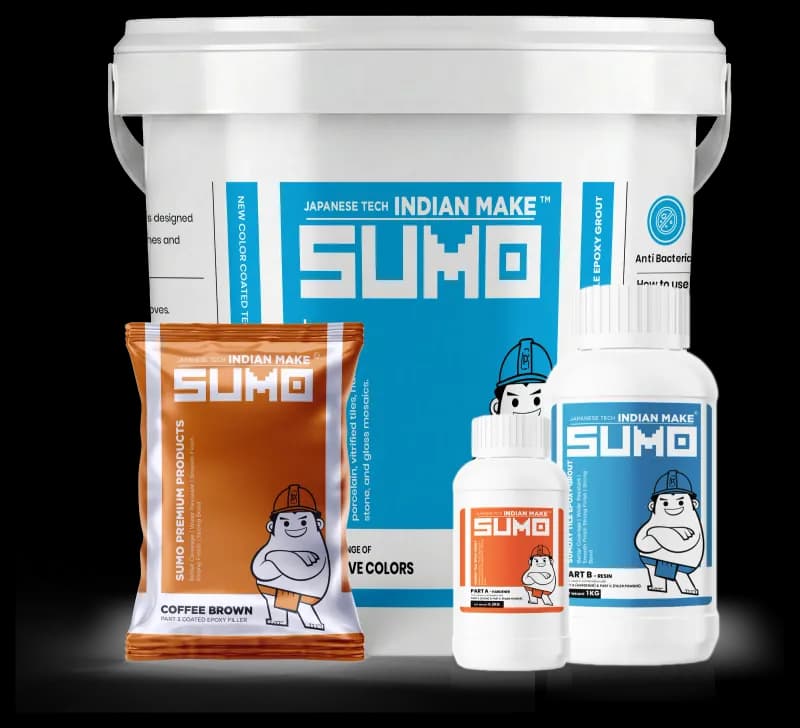
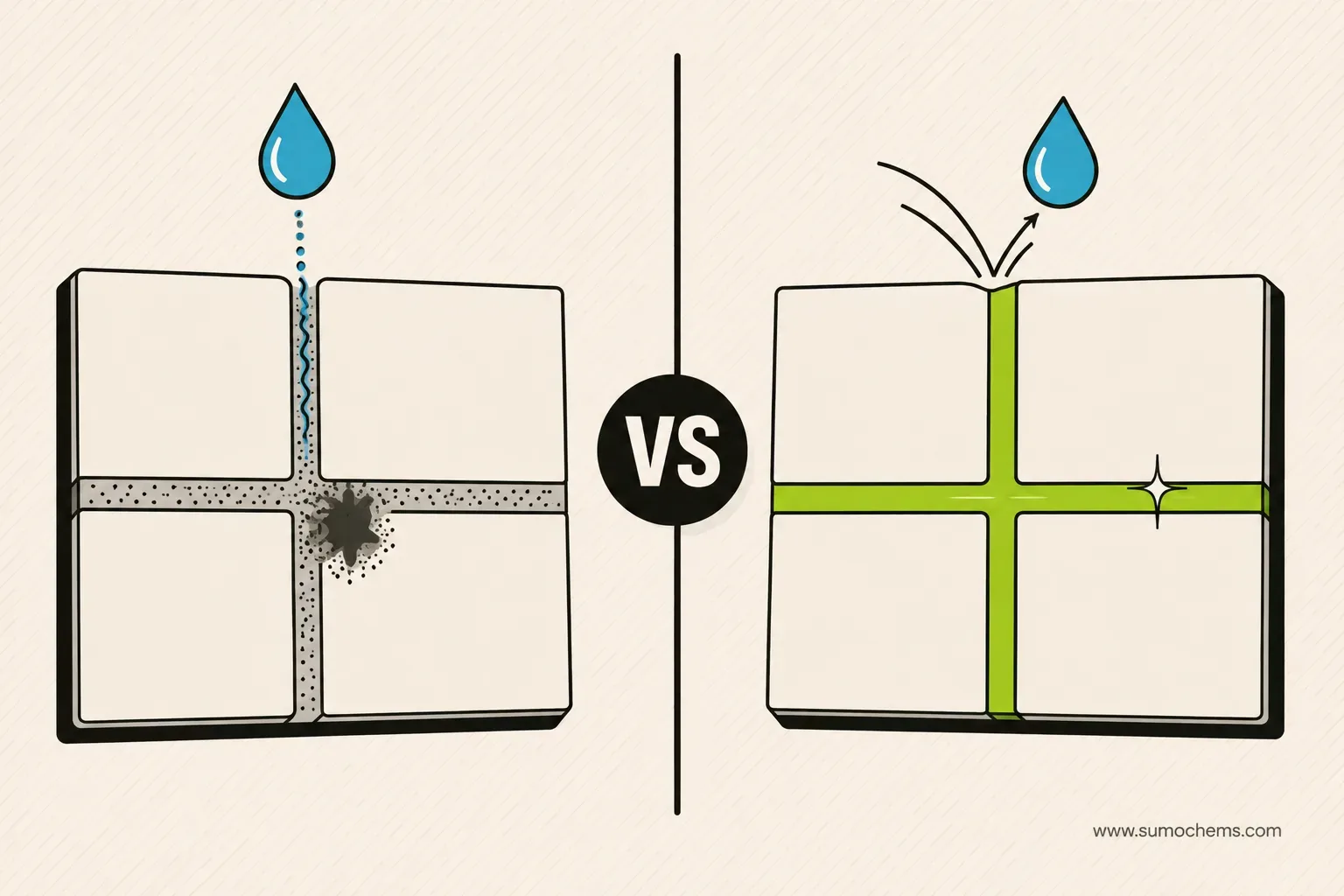
Epoxy grout such as SUMO Sumoxy 2K/3K (RG) is a resin joint that absorbs almost nothing. It is stain-free, chemical-resistant and impervious — turmeric, oil and cleaning acids wipe straight off — which is why it is specified for kitchens, bathrooms, pools and food-service floors. It costs more and has a shorter working time, so it rewards careful application.
Side by side
- Stain resistance: epoxy is effectively stain-proof; cement can stain without sealing.
- Water absorption: epoxy is near-zero; cement absorbs and can efflloresce in wet zones.
- Chemical resistance: epoxy resists acids and cleaners; cement does not.
- Ease + cost: cement is cheaper and more forgiving to apply; epoxy is premium and less forgiving of pot-life.
Which should you choose?
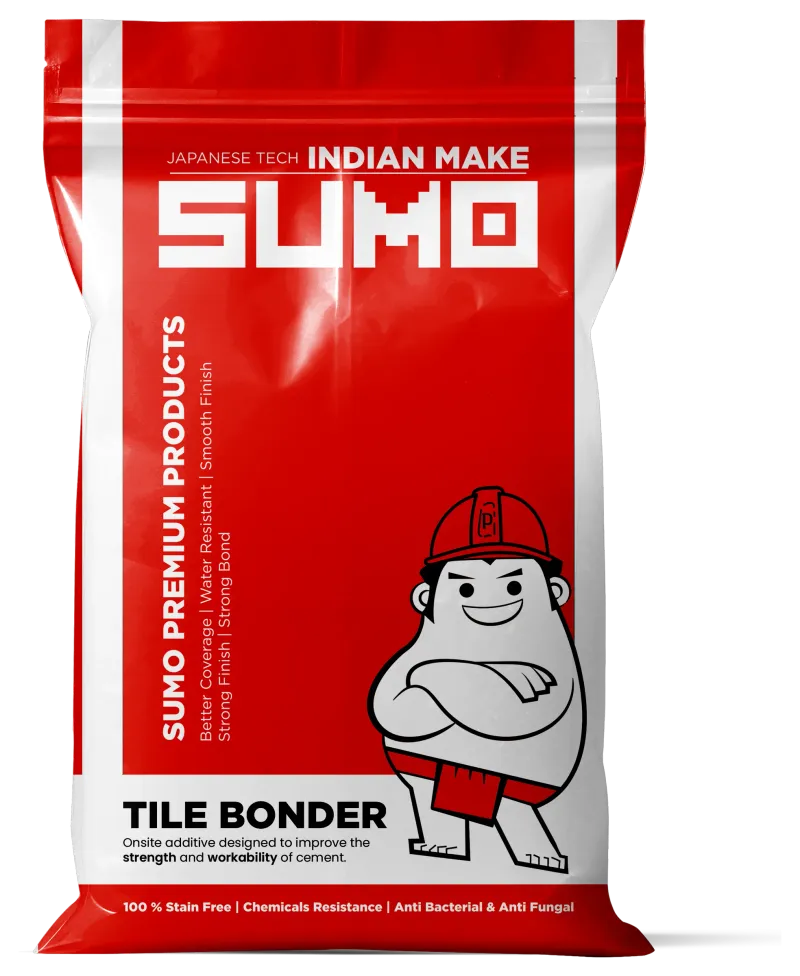
Use cement grout (Sumotg) for everyday dry and light-wet interiors. Step up to epoxy (Sumoxy 2K, or 3K for the hardest industrial joints) for kitchens, showers, pools and anywhere hygiene, chemicals or staining are a concern. For a middle ground, gauge Sumotg with Groutflex polymer liquid for stronger, more flexible cement joints.
Chosen epoxy? Work out how many kits you need with the epoxy grout coverage per kg chart.