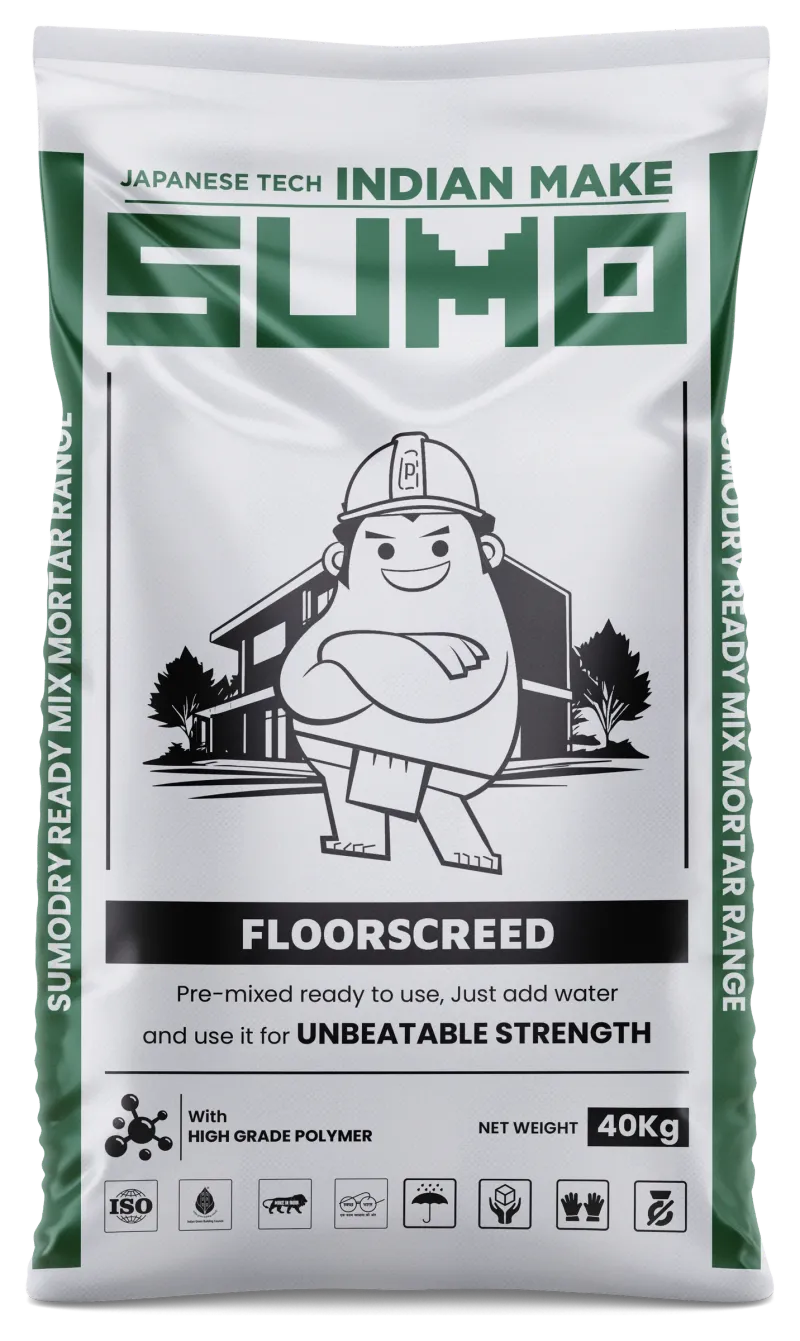
 the symbol ofStrengthFind my product →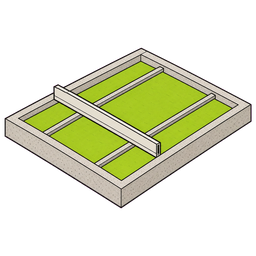
Polymer-modified levelling and flooring base mortar for true, hard-wearing floor beds.
Every floor finish — tile, stone, wood, vinyl, epoxy — is only as flat as the screed underneath it. The screed’s job is to turn a rough structural slab into a level, dense, true base at the right height, with falls where drainage needs them.
A polymer-modified factory-mixed screed keeps that layer consistent: controlled grading, better cohesion, fewer shrinkage cracks and a surface hard enough to take site traffic before the finish goes down. Thin-bed tile adhesives in particular depend on a flat screed — they correct millimetres, not lumps.
Clean, sound concrete; establish levels and falls with screed dots.
Decide bonded / unbonded build-up per the design and TDS.
Spread between battens, compact well, strike off true.
Moist-cure, then let it dry to the moisture level the finish needs.
THE PRODUCT TDS IS ALWAYS THE FINAL WORD ON RATIOS, THICKNESS AND CURE TIMES.
A screed is the levelling layer between the structural slab and the floor finish. Slabs are cast to structural tolerance, not finishing tolerance — they undulate, and they rarely have the falls wet areas need. The screed corrects level, adds falls and gives the finish a dense, uniform base to bond to.
Thin-bed adhesives lay a 3–6 mm bed, so they can only absorb small deviations — a straightedge check should show no significant gaps. If it does, correct with screed first; piling extra adhesive under tiles to chase levels weakens the bed and causes hollowness.
Answer a few quick questions and we’ll spec the exact product for your project.