 the symbol ofStrengthFind my product →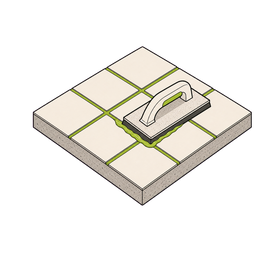
Epoxy and cement joint fillers for tile, stone and glass — stain-free, waterproof and colour-true.
 TILE
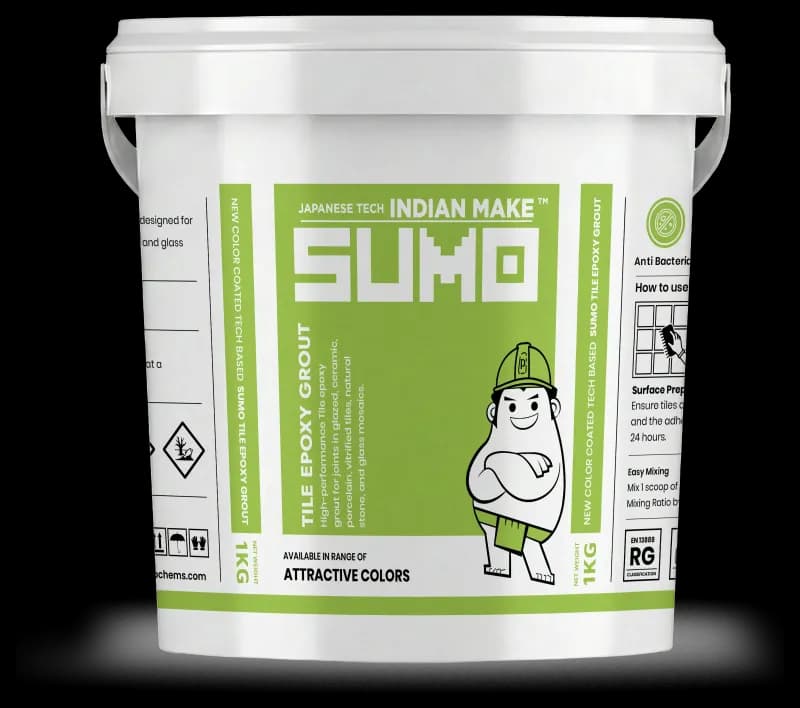
TILEA stain-free, chemical-resistant 2-part epoxy joint filler for tile, stone & glass mosaic.
1 kg · 5 kgView product →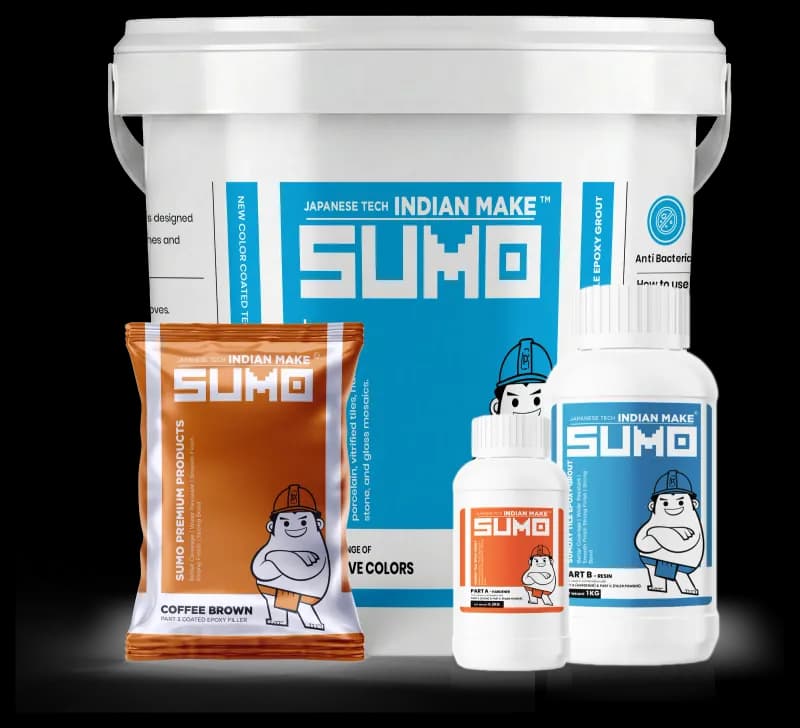 TILE
TILEA three-component epoxy joint filler — hard-wearing, impervious and chemical-resistant.
1 kg · 5 kgView product →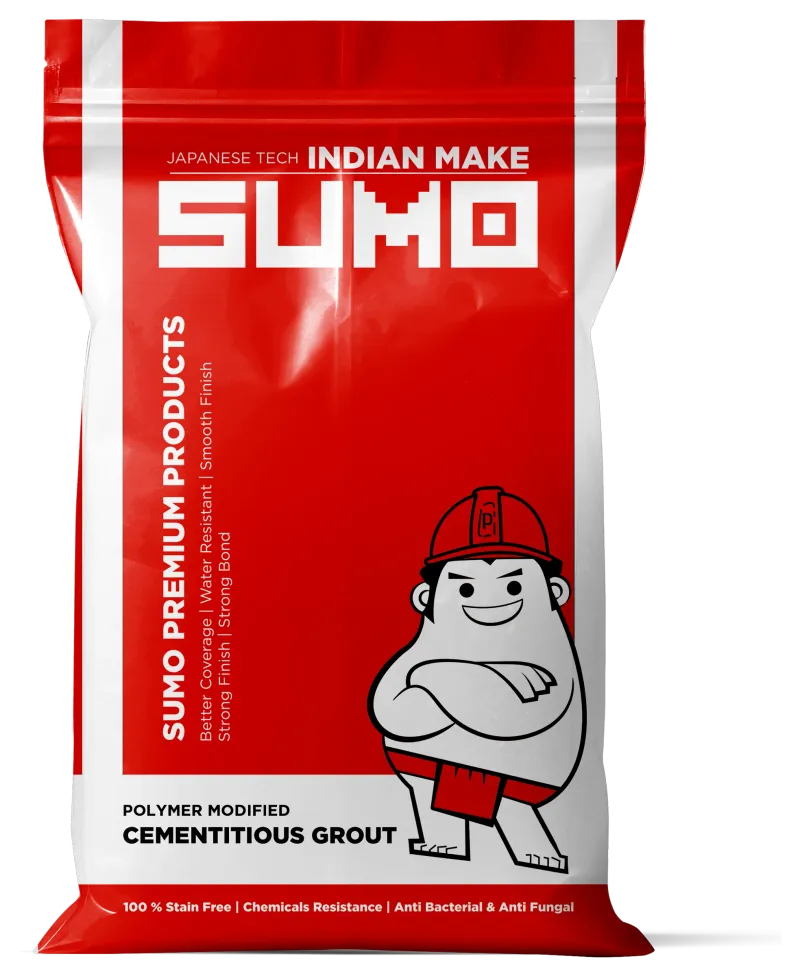 TILE
TILEA polymer-modified, non-shrinking cement joint filler for water-resistant, non-dusting joints.
1 kg · 5 kgView product →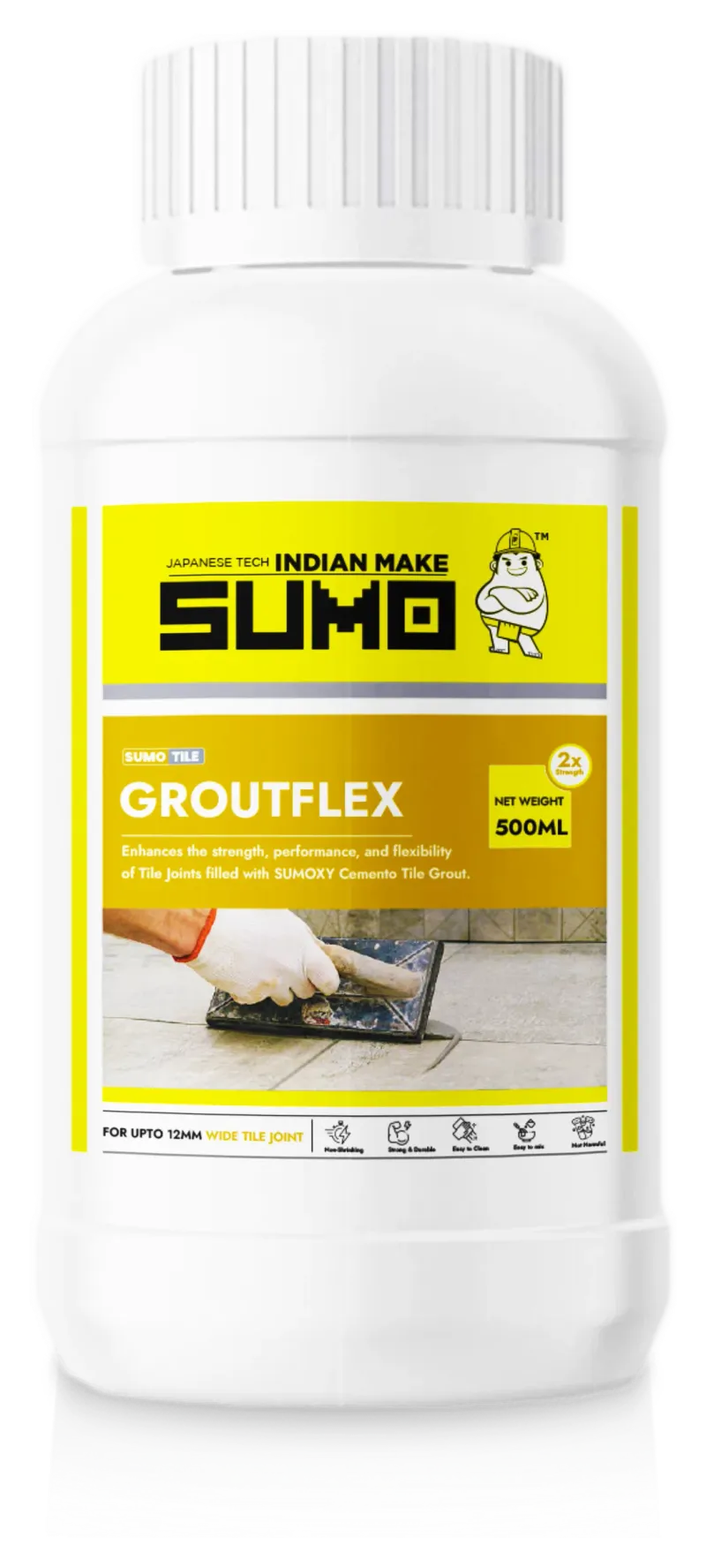 TILE
TILEA white polymer admixture that makes SUMOTG cement grout stronger and more flexible.
500 mlView product →Joints are the working part of a tiled surface — they absorb small movements, keep water out of the bed and frame the tile visually. A failed joint is usually the first step towards a failed floor, so the grout deserves the same attention as the adhesive.
The choice is between cement-based grout — economical, easy to work, right for most internal joints — and epoxy grout, which is stain-proof, chemically resistant and effectively waterproof, earning its premium in kitchens, bathrooms, counters and commercial floors. Joint width, exposure and cleaning regime decide which one the job needs.
Grout only after the adhesive has cured — check the adhesive TDS for the wait.
Rake and vacuum joints to a uniform depth; remove spacers.
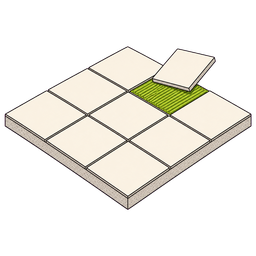
Work grout across the joints with a float; pack fully, no voids.
Sponge-clean within the working time; polish haze once surface-dry.
THE PRODUCT TDS IS ALWAYS THE FINAL WORD ON RATIOS, THICKNESS AND CURE TIMES.
Epoxy (Sumoxy) is stain- and chemical-resistant and ideal for kitchens, wet areas and demanding settings. Cement grout (Sumotg) is easier to apply and cost-effective for general internal joints. Joint width and exposure usually decide it.
A defined joint is always needed — never butt tiles tight together, as they need room for movement and grout. Use tile spacers to keep joints even, then match the grout (cement or epoxy) to that joint width. The grout consumption calculator estimates how much you will need.
Cement grout is porous, so in wet areas it soaks up water, grime and mould and darkens over time. Switching to an epoxy grout, which is non-porous and stain-resistant, prevents it. Keeping joints dry and cleaned also helps existing cement grout last longer.
Answer a few quick questions and we’ll spec the exact product for your project.