How to plaster a wall (internal & external)
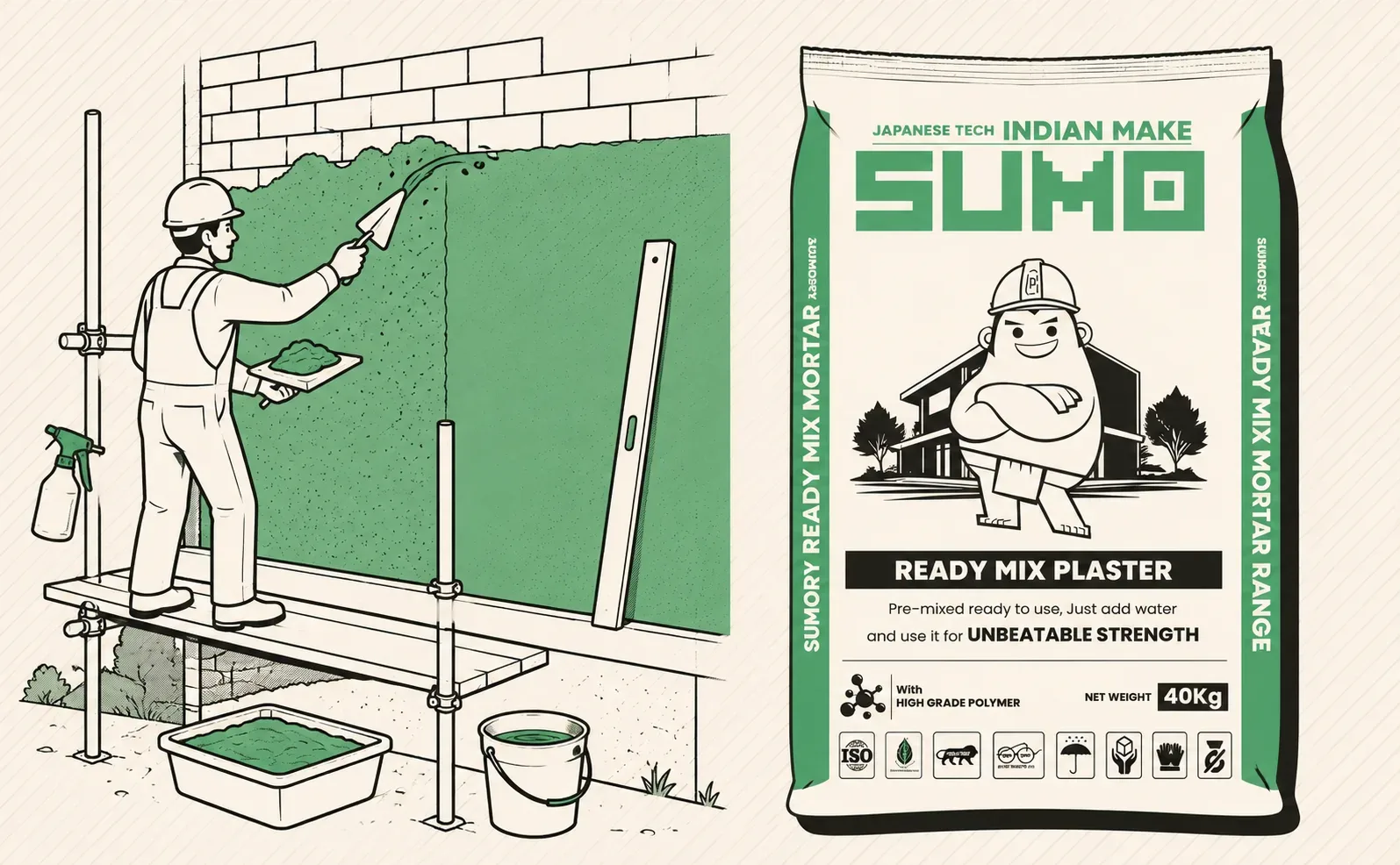
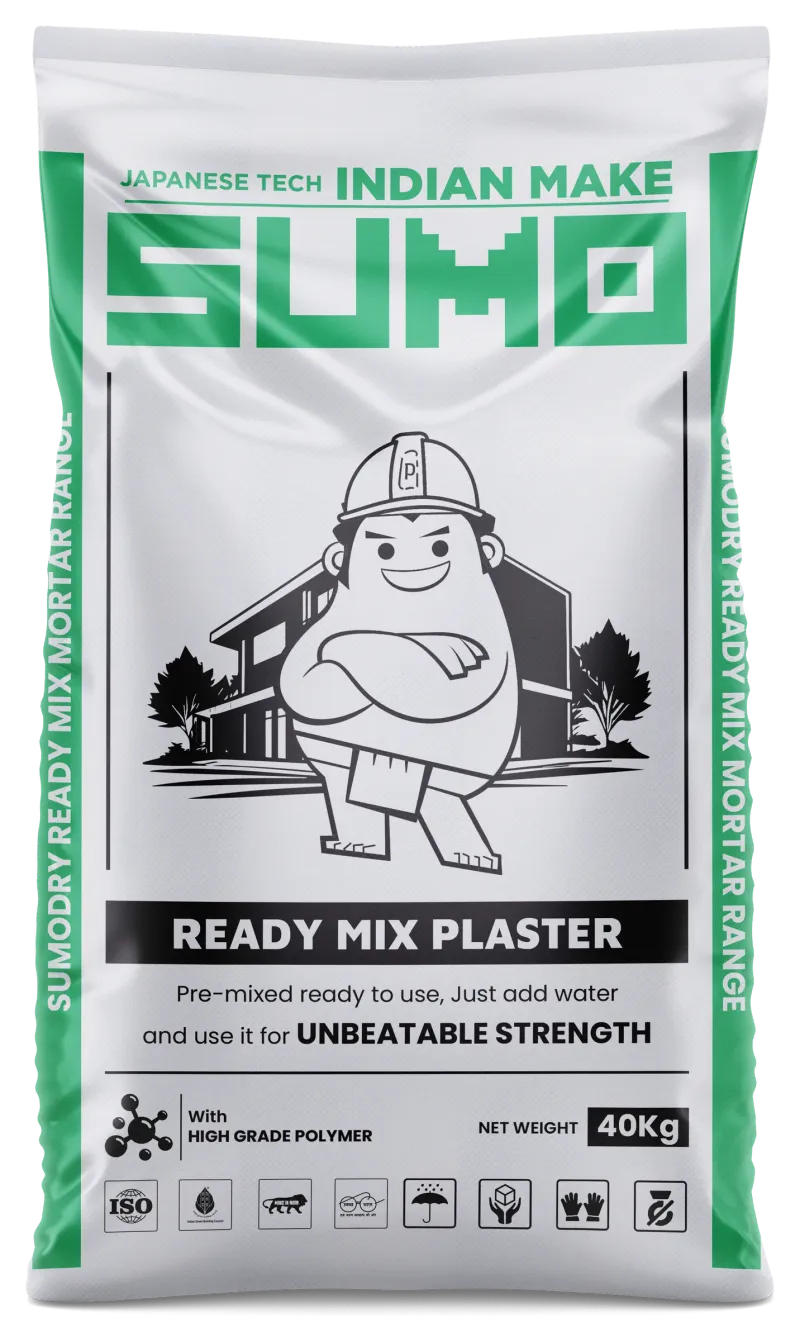
A good plaster coat is the base for everything that follows. Here is how to plaster internal and external walls with SUMO Ready-Mix Plaster.
ON THIS PAGE
Plastering looks simple and goes wrong easily — most problems are debonding from a poor background, or shrinkage cracks from fast drying. SUMO Ready-Mix Plaster gives a consistent, low-crack coat for internal and external walls when applied to a prepared, dampened background and cured.
This guide covers the full wall-plastering method.
What you’ll need
Step by step
Prepare and dampen the background
Rake joints, remove dust and loose material, and dampen the wall evenly. A dry, dusty wall is the top cause of plaster debonding.
Mix the plaster
Add SUMO Ready-Mix Plaster to clean water and mix to a smooth, workable, lump-free mortar. Mix batches you can apply before they stiffen.
Apply and press well in
Apply an even coat to the required thickness, pressing the plaster firmly into the wall. Build thickness in layers where needed rather than one heavy coat.
Rule off flat
Rule off with a straightedge to a true, flat surface, filling hollows as you go.
Float and cure
Float to the finish you want, then keep the plaster damp-cured so it gains strength without shrinkage cracks. Follow with wall putty before painting.
Care, tips & what to avoid
- !Poor background prepDust, grease and dryness cause debonding. Clean and dampen first.
- !Too-thick coatsHeavy single coats slump and crack. Build up in layers.
- !No curingFast drying cracks plaster. Keep it damp-cured.